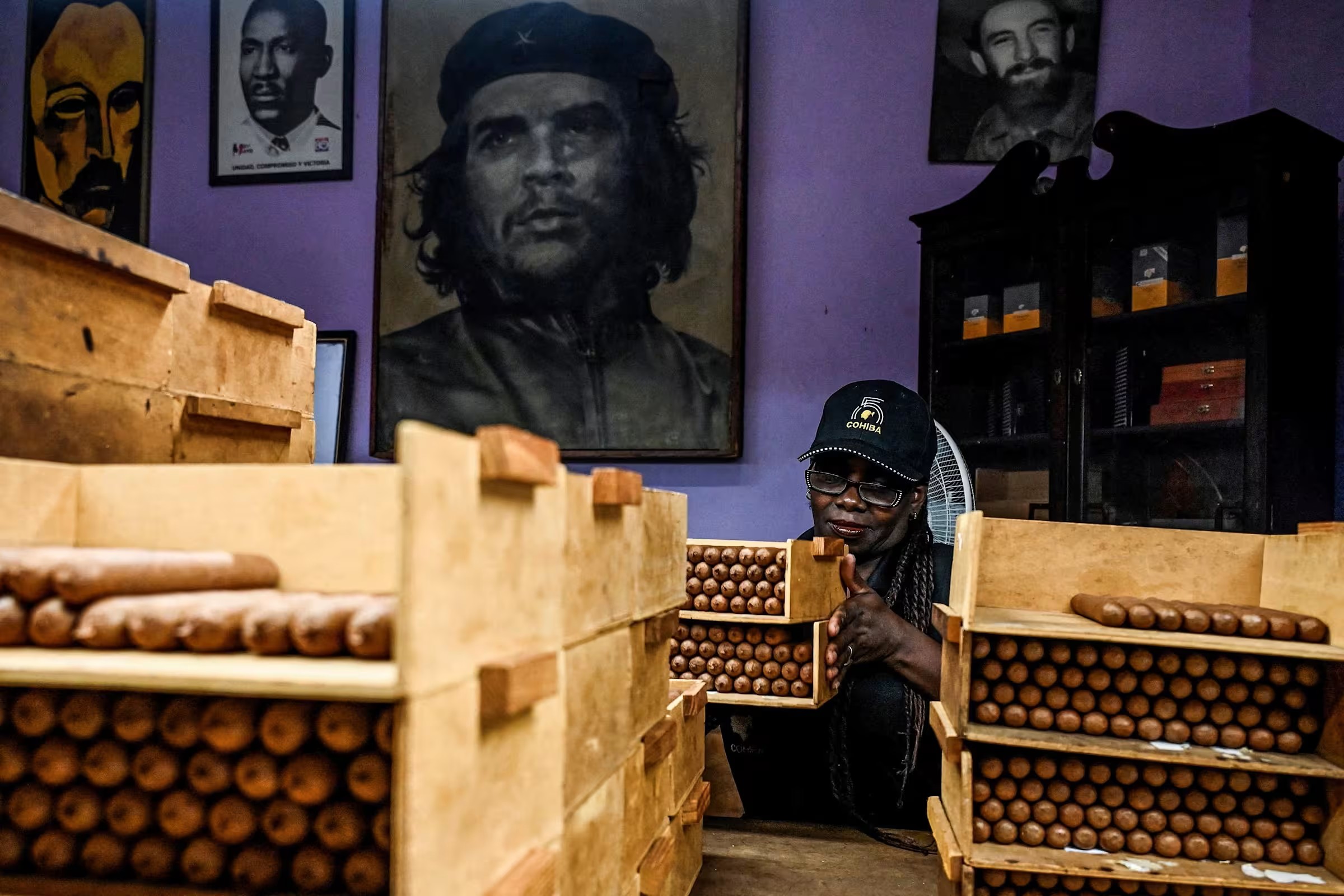
With Chinese-Cambodian tycoon Chen Zhi as an investor, Cohibas became ultra-luxury symbols — then things came crashing down for the billionaire
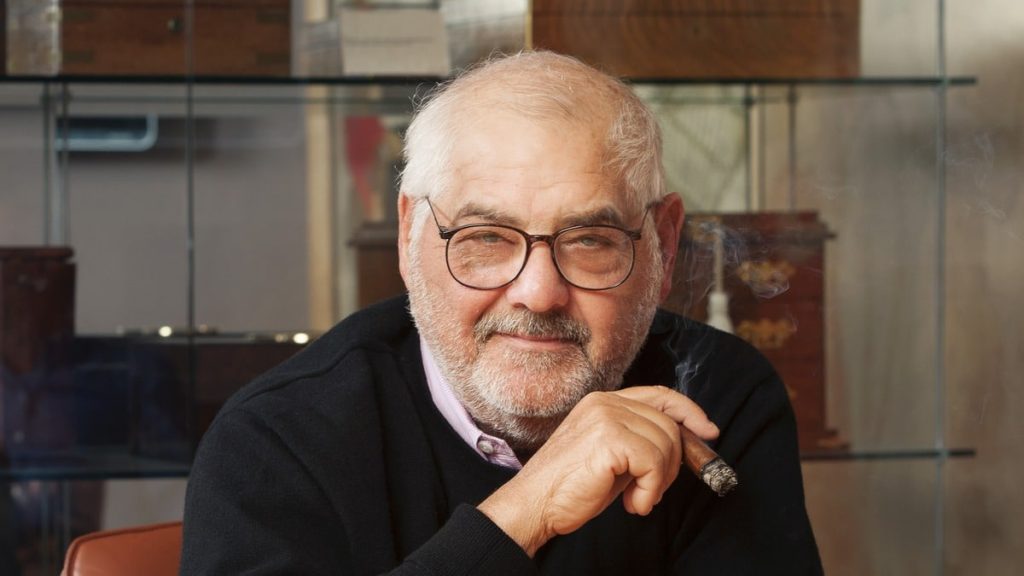
From his perch in the corner, fumes wisping up past his frameless glasses, Mitchell Orchant puffs contentedly on an imposing Hoyo De Monterrey Epicure No 3 as he surveys his compact kingdom.
Three decades ago he founded the C.Gars chain of tobacconists, and this is his flagship store in the smart St James’s district of central London. Smoke from the stick — 2cm wide, 12cm long — drifts through the air to a filter, passing between two framed pictures. One is a Cuban flag rendered from blue, white and red smoke, the other a monochrome photo from the country’s 1950s revolution. They are unusual adornments for a shop not far from the Ritz hotel and a caviar emporium. “It’s the most incredible symbol of capitalism produced in one of the last bastions of communism,” says Orchant, elegantly folded into his armchair like the silk handkerchief in his breast pocket. “It’s just one of those bizarre things, isn’t it?
They make the finest cigars in the world. It’s a product they need to sell because they need the currency.” Havana has been the subject of a US embargo for more than six decades, which has cost the Cuban economy at least $1tn, according to the country’s estimates. For a nation that struggles to keep the lights on, cigars are a vital source of revenue. The ruling Communist party runs the island’s tobacco industry as a monopoly, which for a long time generated a reliable half a billion dollars in revenue each year. In April 2022, that income stream was turbocharged after the company charged with marketing and distributing Cuba’s cigars, Habanos, decreed that prices would go up steeply, including for its most cherished offerings, such as the Cohiba and Trinidad marques. By 2024, the most recent year for which figures are available, Habanos’s annual revenue had reached $827mn. “It was a very clever thing that they did,” Orchant says. “It didn’t make any difference to sales at all, other than that sales increased and perhaps they became more aspirational for certain niches of clients.”
READ MORE: https://www.ft.com/content/6d6339d1-8fb7-4d5d-886f-6c856de42fb7